
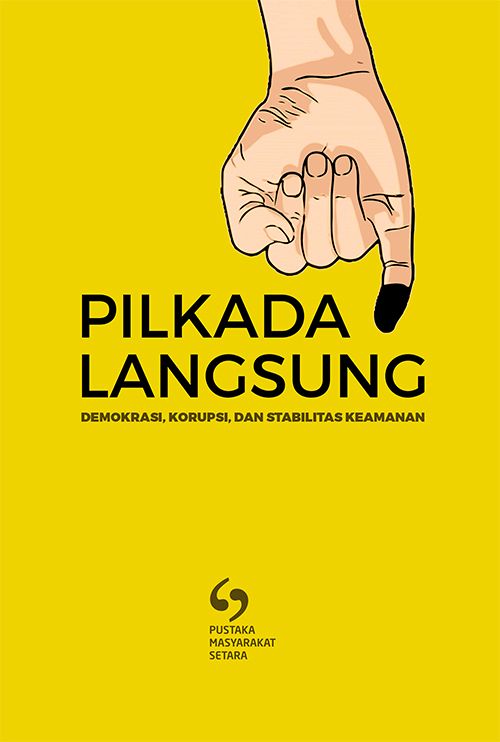
Direct Regional Elections: Democracy, Corruption, and Security Stability (Indonesian)
Report
Law and the Constitution
Team of Setara Institute
January 2, 2019
Summary
This document is a book or research report titled “Direct Regional Elections: Democracy, Corruption, and Security Stability”, published in January 2019 by the SETARA Institute in collaboration with the Police Science College (PTIK) / Police Science Institute (STIK).
This book provides a comprehensive evaluation of the implementation of direct regional head elections (Pilkada) in Indonesia. The analysis in this document focuses on the three main pillars that are central to every regional political contest, namely:
- Democracy: Assessing the quality, participation, and achievements of the democratic process at the local level.
- Corruption: Analyzing the risks of electoral corruption, money politics (money politics), political bribes, and the abuse of authority and local budgets.
- Security Stability: Examining the impact of direct regional elections on social cohesion, the potential for horizontal conflict, polarization within society, as well as the preparedness and role of law enforcement in maintaining security stability.
This report is designed to provide strategic insights and policy recommendations for election organizers, law enforcement officials, and civil society as they work toward cleaner and safer political contests.
Table of Contents
CHAPTER I: Introduction
CHAPTER II: Direct Regional Elections and the Evaluation of Local Democracy
CHAPTER III: Vulnerabilities to Corruption in Direct Regional Elections
CHAPTER IV: Direct Regional Elections and Security Stability
CHAPTER V: Conclusions and Recommendations