
Protection of Minority Groups
Supporting religious and belief minority communities in their efforts to secure their legal and social rights.
SETARA Institute is committed to ensure that every individual can practise their faith without fear, discrimination or pressure.
Conflicts based on religious identity or belief continue to occur and require a firm and fair response from the state.
Some groups still face difficulties with civil registration, access to public services and recognition of their identity.
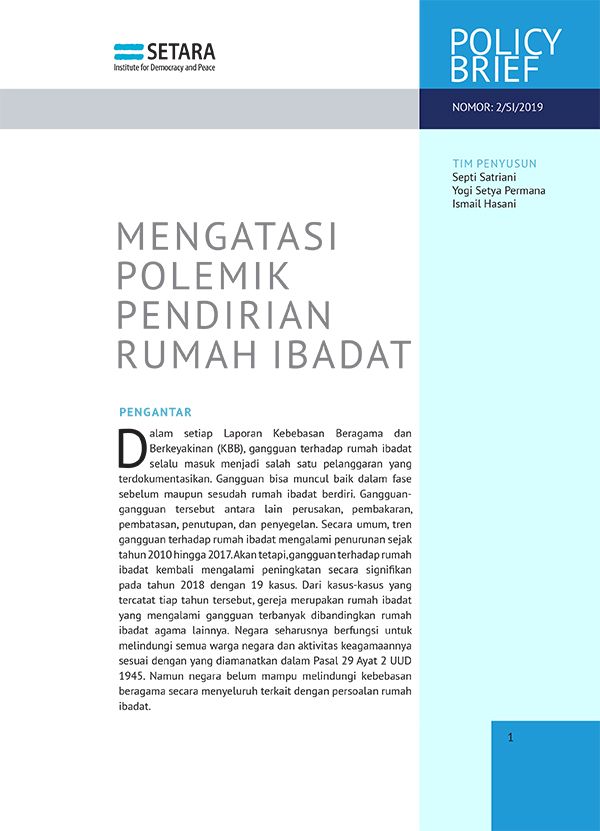
A number of policies at central and/or regional level are discriminatory, thereby undermining citizens’ ability to enjoy their constitutional rights.
Social pressure and stigma against minority groups often lead to rejection, persecution and even expulsion.
Facilitating dialogue and policy advocacy helped restore access to public services and places of worship for affected communities.
The formation of cross-issue civil society coalitions enhances a sense of security and solidarity among marginalized groups.
The formation of cross-issue civil society coalitions enhances a sense of security and solidarity among marginalized groups.
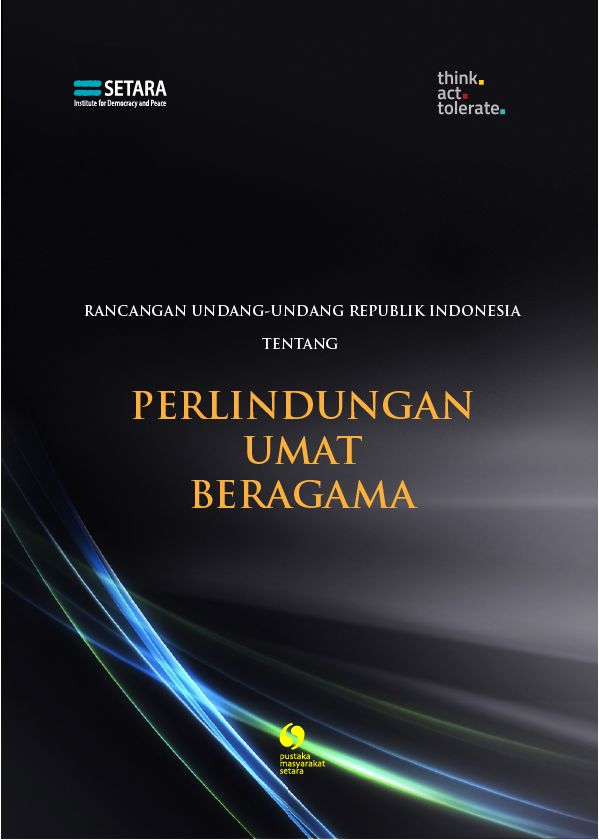
Research recommendations serve as a reference for the development of regulations that are more equitable for vulnerable groups.
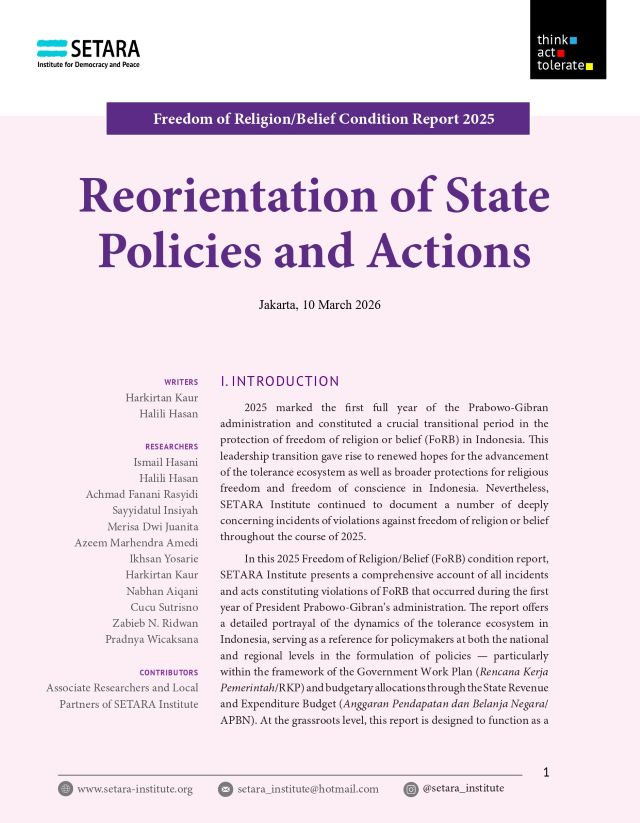
These findings and advocacy efforts urge the state to take greater responsibility for protecting the right to freedom of religion and belief, including by reviewing discriminatory policies and ensuring fair law enforcement.
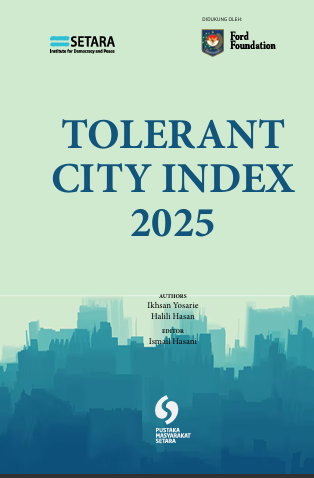
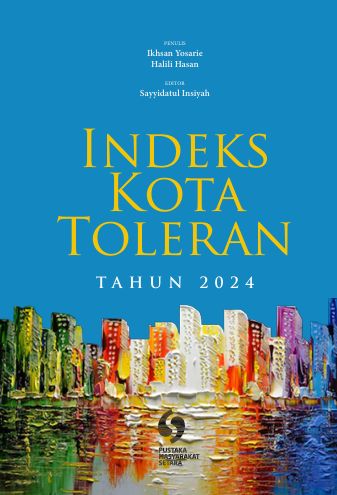
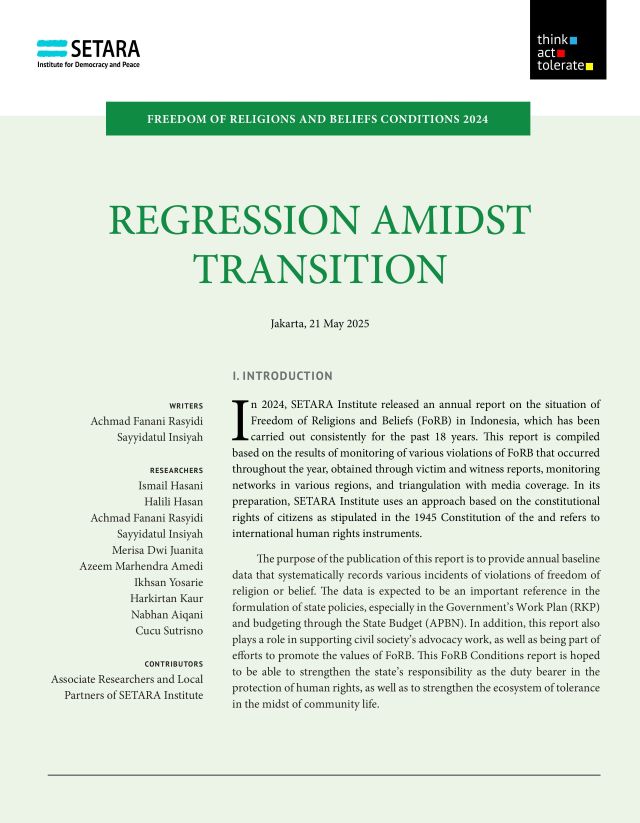
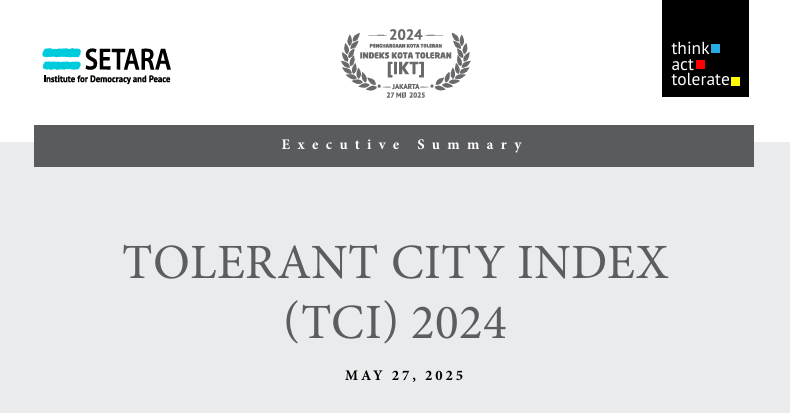
SETARA Institute’s research and publications serve as a reference for the government and stakeholders in formulating policies that are more tolerant, data-driven, and responsive to the protection of the right to freedom of religion and belief.
Exposure to these cases and the victims’ experiences has fostered public empathy and cross-group solidarity in support of protecting minority rights.
This advocacy creates opportunities for interfaith and cross-social-group encounters and dialogue, thereby strengthening relationships based on equality and mutual respect within the community.
Studies on security sector reform can enhance the public’s understanding of their rights in the context of security, including the limits of law enforcement authority and complaint mechanisms in cases of abuse of power. This awareness makes the public more aware of their rights and better equipped to engage critically in public security issues.
The issue of freedom of religion and belief is increasingly being integrated into development planning (the National Medium-Term Development Plan and the Regional Medium-Term Development Plan), so that it is no longer viewed as a sectoral issue but rather as part of a strategic national agenda.
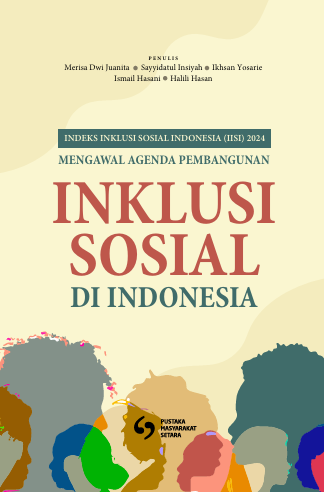
Data-driven findings serve as the basis for reviewing regulations that restrict the rights of minority groups and for promoting the adoption of more equitable and inclusive policies.
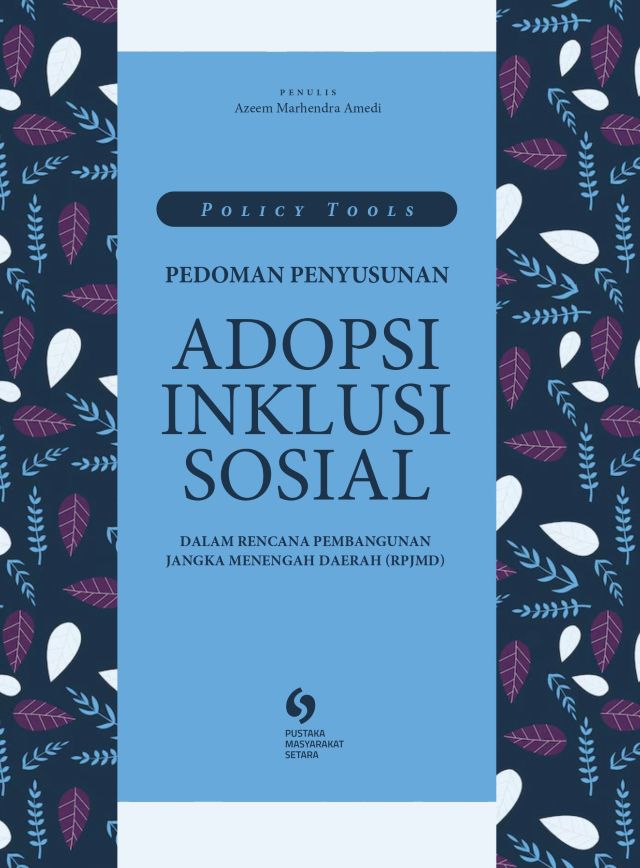 Modules & Guides
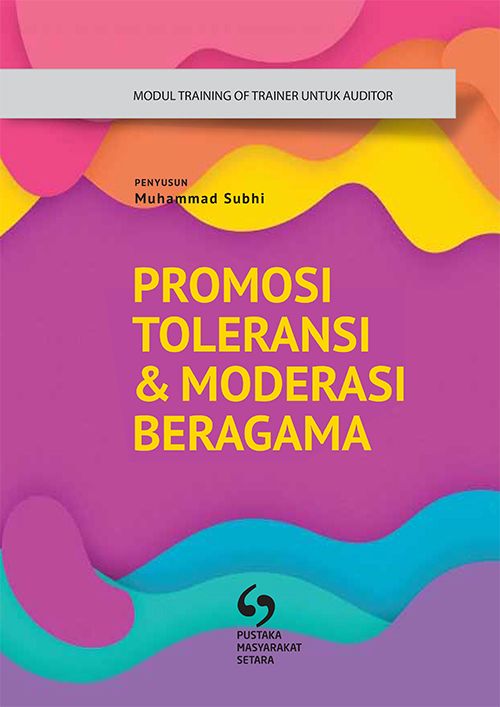 Modules & Guides
 Modules & Guides
 Modules & Guides
Discover SETARA Institute’s areas of focus in strengthening democracy, human rights, and social justice across various sectors.