

Jakarta (hariansib.com)
Indonesia’s rapidly expanding nickel industry has come under intense scrutiny following a U.S. Department of State report published on 5 September 2024, which alleged the use of forced labor.
The report identified nickel as one of the commodities produced through forced labor, raising serious concerns over human rights violations within the sector.
Responding to the report, Minister of Energy and Mineral Resources (ESDM) Bahlil Lahadalia dismissed it as foreign propaganda aimed at damaging Indonesia’s reputation. However, allegations of human rights violations in Morowali and North Halmahera have persisted for years. Issues relating to labor protection and environmental degradation in these areas have long been neglected.
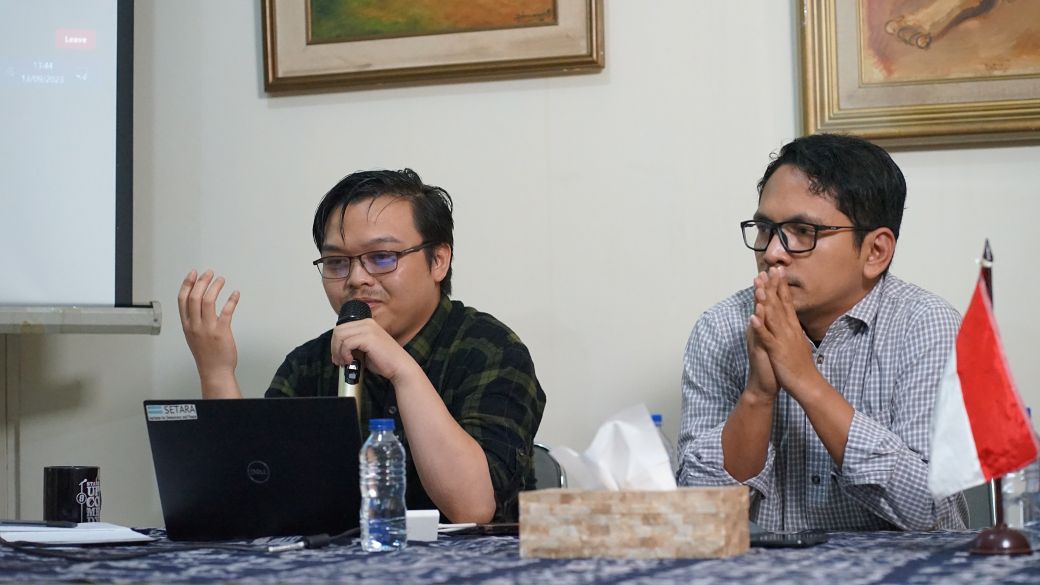
In a press release issued on Wednesday (9 October 2024), SETARA Institute urged the government to immediately integrate Business and Human Rights (BHR) principles into industrial operations.
The Institute emphasized that commitments to Environmental, Social, and Governance (ESG) principles must go beyond mere formal compliance. With Indonesia accounting for 40.2% of global nickel production, adherence to ESG standards is considered essential to supporting the country’s Net Zero Emissions 2060 target.
The report also highlighted concerns surrounding the Indonesia–China partnership in the nickel industry, alleging practices such as wage deductions, excessive working hours, and other labor rights violations. It noted that six of the eleven forced labor indicators established by the International Labour Organization (ILO) were identified within the sector.
The government was urged to accelerate legislation on human rights and environmental due diligence to ensure that the industry operates more responsibly rather than merely complying with formal requirements. Such efforts are considered crucial for Indonesia not only to remain a global leader in nickel production but also to become a leader in promoting ethical and sustainable business practices.
Source: hariansib.com