

Jakarta, INDONEWS.ID – The government believes that its downstream nickel industry policy and ambition to become a global hub for the electric vehicle (EV) battery industry are key strategies for increasing the added value of Indonesia’s mineral sector.
However, amid Indonesia’s ambition to become a global leader in the nickel industry, a report released by the U.S. Department of State on 5 September 2024, titled Global State of Child and Forced Labor, delivered a significant setback. The report added nickel to its 2024 list of products and commodities allegedly produced through forced labor.
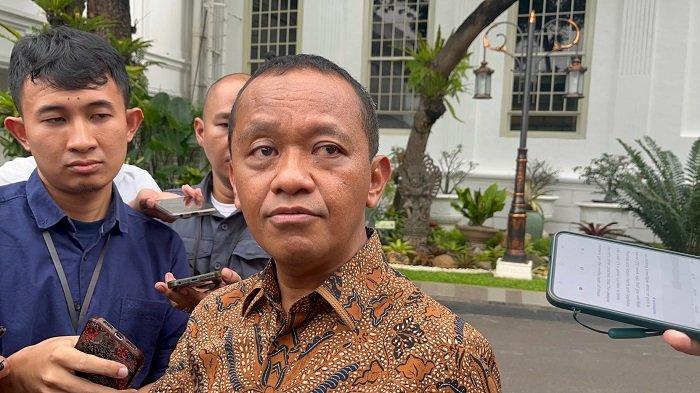
Responding to these allegations of human rights violations, Minister of Energy and Mineral Resources (ESDM) Bahlil Lahadalia dismissed the report on 7 October 2024, arguing that it was part of a foreign agenda intended to damage Indonesia’s reputation.
In reality, Indonesia’s nickel industry has repeatedly come under scrutiny over inadequate labor protection and environmental degradation affecting surrounding communities, particularly in the country’s two main nickel-producing regions, Morowali and North Halmahera.
“SETARA Institute emphasizes the importance of fulfilling human rights and environmental obligations as fundamental elements of responsible business practices,” said Nabhan Aiqani, Business and Human Rights Researcher at SETARA Institute, in a press statement issued in Jakarta on Tuesday (8 October).
As the world’s largest nickel producer, contributing 40.2% of global nickel production, Indonesia should treat concerns over weak compliance with Environmental, Social, and Governance (ESG) standards as an urgent call to improve the governance of its nickel industry in a sustainable and responsible manner.
Accordingly, ESG commitments that have often been implemented merely as a public relations exercise must be strengthened and measured against clear and meaningful performance indicators.
He added that Indonesia’s ambition to achieve Net Zero Emissions by 2060 through the development of the electric vehicle industry must go hand in hand with the protection of human rights and the environment.
The report further alleged that Indonesia–China joint ventures in the nickel industry have engaged in arbitrary wage deductions, violence, excessive overtime, and constant surveillance of workers from both countries.
Chinese workers were also reportedly subjected to passport confiscation and restrictions on their freedom of movement.
“In addition, occupational health and safety protections remain inadequate, as reflected by the high number of workplace accidents, including those resulting in fatalities,” he said.
According to the report, six of the eleven forced labor indicators established by the International Labour Organization (ILO) have been identified within Indonesia’s nickel industry.
To address these findings and prevent similar incidents, the transformation of the UN Guiding Principles on Business and Human Rights (UNGPs)—the globally recognized authoritative framework for the protection, respect, and remedy of human rights by business enterprises—must become a government priority.
These alleged human rights violations should serve as a catalyst for accelerating the integration of Business and Human Rights (BHR) principles throughout the mining sector.
“The global trend toward legislating mandatory human rights and environmental due diligence is moving toward legally binding requirements that oblige companies to adopt a risk-based approach by integrating human rights into their entire management and risk management systems to prevent and address adverse human rights impacts,” he explained.
Therefore, as part of a global framework adopted collectively by countries around the world, including Indonesia, allegations of human rights violations in the nickel industry cannot be adequately addressed through symbolic expressions of nationalism alone.
“Compliance with human rights and environmental standards is an essential prerequisite for achieving responsible business transformation and a just transition,” Nabhan Aiqani concluded.
Source: indonews.id